


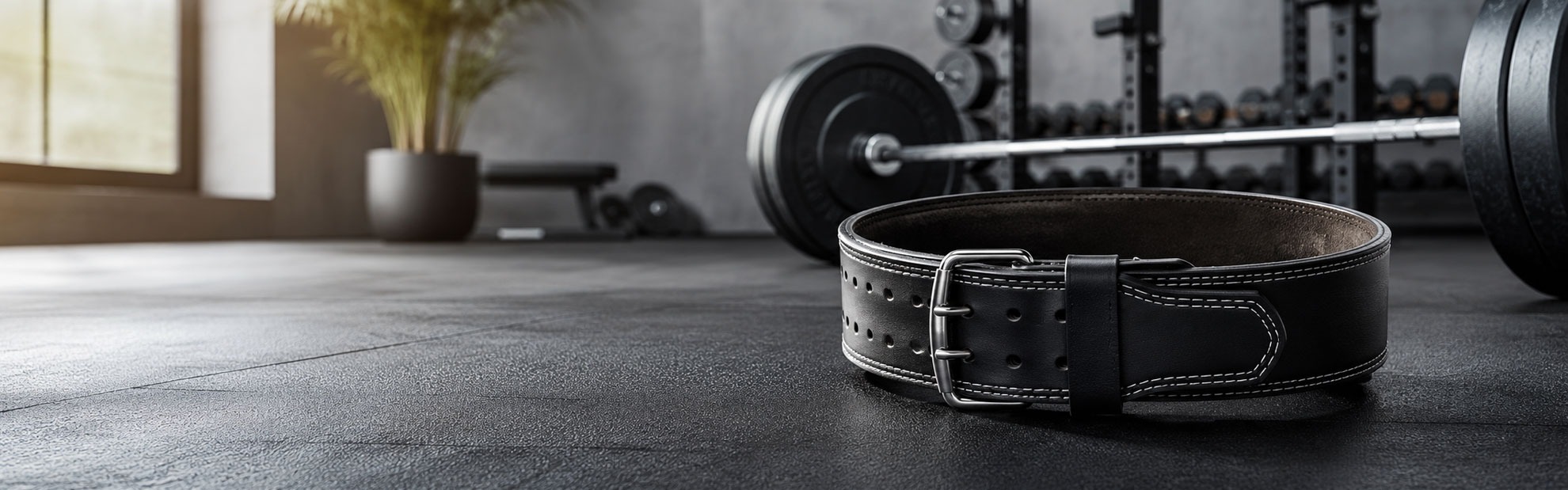
A weightlifting belt is one of the most misunderstood pieces of gym equipment. Many beginners think it’s only for professional powerlifters or people lifting extremely heavy weights. In reality, a lifting belt is simply a support tool that can help improve stability during certain exercises.
The main job of a weightlifting belt is to help increase intra-abdominal pressure. That sounds technical, but the idea is simple: when you brace your core against the belt, your midsection becomes more stable during heavy lifts. This added stability can help you maintain better form during exercises like squats, deadlifts, and overhead presses.
A belt does not magically protect your back or replace proper lifting technique. If your form is poor, wearing a belt will not fix the problem. Beginners should still focus on learning movement patterns, building core strength, and improving posture before relying too heavily on support gear.
One common myth is that lifting belts makes your core weak. That usually happens only when someone wears a belt for every single workout, even during light exercises. Used correctly, a belt can help many lifters feel more confident and stable when training at heavier weights.
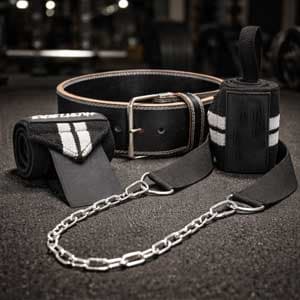
For beginners walking into a gym for the first time, the variety of training gear can feel overwhelming. Alongside gloves, straps, wraps, and other accessories found in the broader fitness market, gym belts are designed specifically to improve support during strength training. Browsing the selection of gym belts on tetraseven.us can help new lifters understand the different styles available for various training goals.
Explore a wider range of gym fitness products at Tetra Seven , which can also give a better idea of which accessories are actually useful as they progress.
The key takeaway is this: a weightlifting belt is a tool, not a shortcut. It works best when paired with proper technique, smart programming, and gradual strength progression.
When Beginners Should Start Using a Weightlifting Belt
Not every beginner needs a weightlifting belt right away. In fact, many new lifters can train for weeks or even months without one, focusing on technique and basic strength development.
A lifting belt usually becomes more useful when weights start feeling genuinely challenging during compound movements. These are exercises that involve multiple muscle groups and place more pressure on your core and lower back.
Some of the most common exercises where beginners may eventually benefit from a belt include:
- Barbell squats
- Deadlifts
- Overhead presses
- Heavy rows
- Front squats
A good general rule is this: if you’re lifting heavy enough that maintaining core stability becomes difficult, a belt may help improve bracing and control. That does not mean you should wear one during every set. Many experienced lifters still train beltless during warm-ups and lighter sessions.
For example, a beginner learning bodyweight squats or light dumbbell exercises probably does not need a belt. But someone progressing into heavier barbell squats may notice that a belt helps them feel tighter and more secure during the movement.
Another mistake beginners make is putting the belt on too early in their workout. A belt works best when you already know how to brace your core properly. Think of it as reinforcement, not a substitute for strength or technique.
It’s also important to understand that different training goals may influence belt usage. Someone focused on powerlifting or heavy strength training may use a belt more often than a person doing general fitness workouts.
As beginners start building a more serious gym routine, many also begin exploring other support accessories and recovery tools. The Gym Belts collection at tetraseven.us can help lifters compare styles suited for strength training, while the broader gym fitness products offer additional training gear that supports long-term workout progression without overcomplicating a beginner setup.
The best approach is simple: learn proper form first, build foundational strength, and introduce a belt when heavier lifting starts demanding extra core stability.
Situations Where You Probably Don’t Need a Belt Yet
A weightlifting belt can be helpful, but many beginners start using one far too early. In some situations, wearing a belt too often can actually slow down your progress because you never learn how to properly brace your core on your own.
If you are still learning basic movement patterns, your focus should stay on form, balance, and control first. Exercises like goblet squats, lunges, push-ups, machine work, and light dumbbell training usually do not require a lifting belt.
You also probably do not need a belt if:
- Your weights are still relatively light
- You cannot yet brace your core correctly
- Your squat or deadlift technique feels inconsistent
- You wear the belt mainly because others in the gym do
- You rely on the belt during every single exercise
One of the biggest beginner mistakes is treating a lifting belt like safety equipment instead of a performance tool. A belt is designed to improve stability during heavy lifts, not to cover up weak technique or poor posture.
Another common issue is becoming mentally dependent on the belt. Some lifters eventually feel uncomfortable training without it, even during lightweight workouts where it offers little benefit. That’s why many coaches recommend building strong fundamentals before making a belt part of your routine.
It’s also worth remembering that core strength comes from proper training itself. Learning how to brace naturally during squats, deadlifts, and presses is a skill every beginner should develop early.
A smart approach is to think of the belt as something you “earn” through progression. Once your training intensity increases and your technique becomes consistent, adding a belt may make more sense and provide noticeable support during heavier sets.
For most beginners, patience matters more than gear. Solid lifting mechanics, controlled progression, and consistent workouts will always have a bigger impact on long-term strength than wearing a belt too soon.
How to Choose the Right Weightlifting Belt for Beginners
Shopping for your first lifting belt can feel confusing because there are so many styles, materials, and thickness options available. The good news is that most beginners do not need the most expensive or ultra-stiff belt on the market.
The best beginner belt is usually one that feels supportive, comfortable, and easy to use consistently during training.
Belt Material Comparison
| Feature | Leather Belts | Nylon Belts |
|---|---|---|
| Support Level | More rigid and supportive | More flexible and lightweight |
| Best For | Heavy strength training | General gym workouts |
| Comfort | Takes time to break in | Comfortable from the start |
| Flexibility | Less flexible | More mobile and adjustable |
| Beginner Friendly | Better for serious heavy lifting | Often easier for beginners |
Neither option is automatically better. The right choice depends on your training style, comfort preference, and lifting goals.
Belt Width and Thickness
Most lifting belts are around 4 inches wide, which works well for many people during squats and deadlifts. However, shorter lifters sometimes prefer slightly narrower belts for better comfort and mobility.
Thicker belts generally provide more support, but they can also feel restrictive if you are new to wearing one. You can also check our Weightlifting Dip Belt with Steel Chain, which supports heavier dips and pull-up training.
Closure Type Comparison
| Closure Type | Best For | Main Advantage |
|---|---|---|
| Velcro | Beginners and quick workouts | Fast adjustments |
| Prong Buckle | Traditional strength training | Durable support |
| Lever Belt | Heavy lifting | Secure locked-in fit |
For most new lifters, a simple and adjustable design is usually the easiest starting point.
Fit Matters More Than Brand Names
A poorly fitting belt can feel uncomfortable and distracting during lifts. Your belt should feel snug when bracing your core, but it should not make breathing difficult.
Checking sizing information carefully is important, especially when buying online. Comparing different options in the Gym Belts collection at tetraseven.us can help beginners understand how various styles are designed for different training preferences.
As your workouts evolve, you may also start exploring additional support gear and accessories that improve training comfort and recovery.
The most important thing is choosing a belt that matches your current training level instead of buying advanced gear you may not actually need yet.
What Most Lifters Want to Know About Gym Belts
Q: Do lifting belts protect your back?
A: A lifting belt can help improve core stability during heavy lifts, which may reduce unnecessary strain when used correctly. However, it is not a replacement for proper form, mobility, or smart training habits.
Q: At what weight should you start using a lifting belt?
A: There is no exact number. A belt usually becomes useful when the weight is heavy enough that maintaining core stability feels challenging while still using proper form.
Q: Can a lifting belt weaken your core?
A: Not when used properly. Core weakness usually comes from relying on the belt too often instead of learning how to brace naturally during training.
Q: Is a thicker lifting belt always better?
A: Not necessarily. Thicker belts can provide more support, but many beginners find them uncomfortable or restrictive at first. Comfort and proper fit matter more than maximum thickness.
For most buyers, the goal should not be buying the most advanced lifting belt possible. The better approach is choosing equipment that supports steady progress, good technique, and long-term consistency in the gym.
Choosing the Right Time to Start Using a Lifting Belt
A weightlifting belt can be a useful tool for everyone, but it is not something you need on day one. The most important priorities are learning proper form, building core strength, and progressing gradually with your training.
As lifts become heavier and your technique improves, a belt may help provide extra stability and confidence during compound movements like squats and deadlifts. The key is using it as support, not as a shortcut or replacement for good mechanics.
Beginners should focus on choosing a belt that feels comfortable, fits correctly, and matches their training style instead of chasing advanced features they may not need yet.
For lifters ready to explore different support options, the Gym Belts collection at tetraseven.us offers styles suited for a variety of training preferences. You can also browse the wider gym fitness products collection to compare other useful workout accessories as your fitness routine continues to grow.
Not sure which lifting belt is right for your training goals? Get in touch with us today — we’re here to help you choose the best option with confidence and ease.